How Crowded "Mini-Guts" Use a Cellular Pressure Gauge to Rebuild Themselves After Injury
Researchers have discovered that regenerating guts rely on a critical "sweet spot" of cellular crowding to trigger structural patterning, using a molecular pressure sensor to unlock the genes needed for healing.
When your gut is severely damaged by disease or radiation, it faces a monumental task: rebuilding its complex, microscopic landscape of tissue from scratch. How do millions of chaotic, scrambled cells figure out exactly where to go and what to become to restore order? A groundbreaking new study reveals that the secret lies in how crowded the cells are. By sensing physical crowding, cells activate a genetic blueprint that turns chaos into a perfectly organised tissue map.
The Giant Problem
To heal a wound, the body cannot simply slap cells together like wet cement. The intestine, for example, is a highly patterned organ lined with microscopic, finger-like projections and deep pits. After a traumatic injury—such as chemotherapy, severe infection, or radiation—this architecture is completely obliterated. Historically, scientists believed that cells regenerate by strictly following chemical messengers floating through the tissue. But chemical signals alone are not enough to coordinate thousands of cells simultaneously rebuilding a 3D structure. If cells cannot precisely measure their physical surroundings, the tissue will fail to organise, leaving the gut scarred, dysfunctional, or vulnerable to chronic inflammatory diseases and cancer. We have long lacked a clear understanding of how physical forces in a healing wound actually talk to a cell’s genetic control centre.
The Science
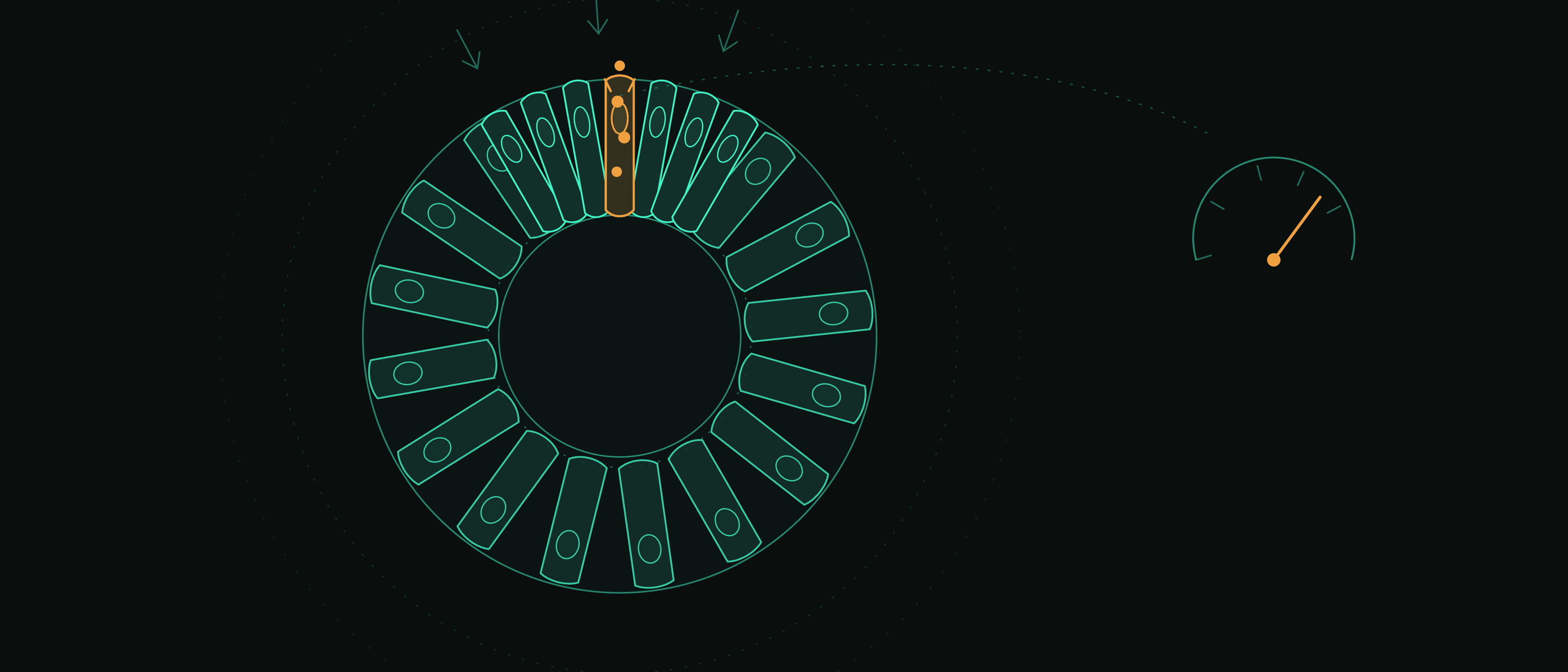
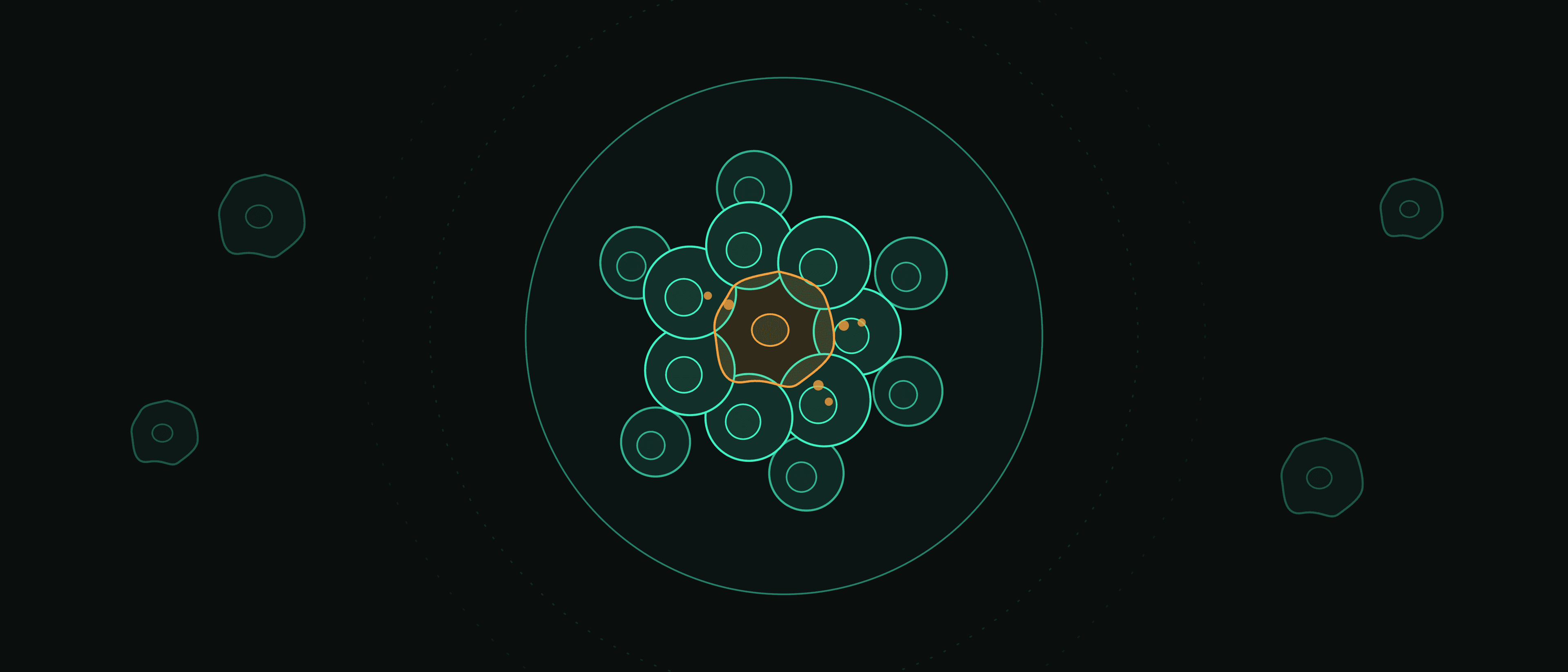
The secret weapon is a molecular pressure gauge inside our cells called YAP1. When a tissue is damaged, cells begin to multiply. As they do, the tissue density reaches a critical "sweet spot"—much like a moderately crowded dance floor where there is just enough room to move, but enough people to bump into. At this optimal density, some cells are tightly packed while others have room to stretch, creating a massive wave of physical variety. This squeezing or stretching directly alters the active levels of the YAP1 pressure gauge. In cells where the pressure gauge is activated, it acts like a molecular crane, physically prying open tightly wound bundles of DNA. This structural opening of chromatin (the cell’s DNA packaging) allows a specialised protein called FOXA1 to step in. Think of FOXA1 as a librarian with a master key. It enters the newly opened sections of the DNA library and turns on genes that bias the cell toward becoming a "secretory" cell—the crucial first cell type needed to kickstart tissue patterning. Once these cells start down this path, they use molecular "walkie-talkies" (called Delta-Notch signalling) to tell their immediate neighbours to do the opposite. This simple, mechanical-to-chemical chain reaction permanently locks the cells into their correct roles, even after the physical crowding forces shift.
How They Did It
The researchers tracked this process using mouse models of gut injury (induced by radiation) alongside advanced "mini-guts" grown in the lab, known as organoids. They used ultra-high-definition 3D microscopes to photograph and measure hundreds of physical features—such as cell volume, nuclear shape, and local crowding—across tens of thousands of individual cells. They then mapped these physical features directly to the cells' open DNA structures using single-cell genomic sequencing, capturing the exact moment physical pressure transformed into genetic action.
The work behind this story
Published in: Cell Press Journal (2026)
Why You Should Care
This discovery shifts our entire understanding of how human tissues heal. By proving that physical crowding acts as a master "on-off" switch for gene expression, it opens up entirely new avenues for regenerative medicine. In the future, we could potentially design biomaterials that trick cells into thinking they are at the perfect "healing density," accelerating recovery for patients with inflammatory bowel diseases, ulcers, or tissue damage from cancer therapies. Furthermore, because cancers often hijack these exact same pressure-sensing pathways to grow uncontrollably, understanding how to shut down this mechanical "memory" could help us develop therapies that stop tumours from regenerating after treatment.
The Catch
While these findings are a massive leap forward, the research is currently in its early stages, utilising mouse models and lab-grown mouse and human cells. Real human organs are surrounded by complex blood vessels, immune cells, and supporting tissues that may interfere with or alter this delicate physical balancing act. Additionally, manipulating physical pressure or density in a living patient is incredibly difficult, and we do not yet have safe, targeted drugs that can replicate this mechanical sweet spot in human patients without causing unintended side effects in healthy organs.
Keep reading →
Liked that?
Get one story like it, every week. Free, plain English, no hype.